
Spider Solitaire - puzzle trip
Small ant limitedCard
4.6111.00 Reviews
- Version
- 2.19.1
- Installs
- 100.00K
- Age Rating
- Everyone
Screenshots
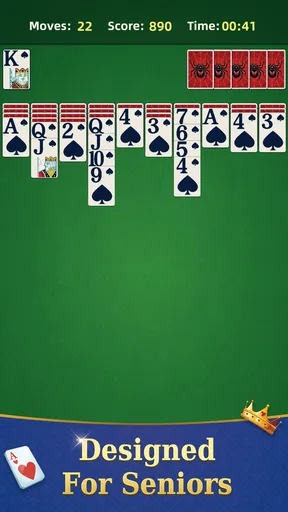
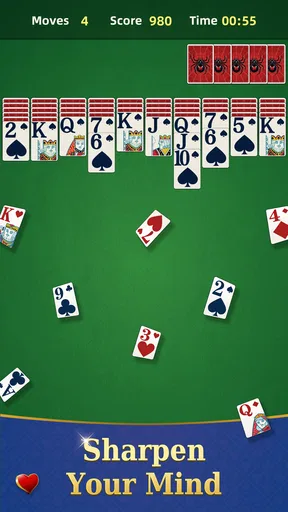
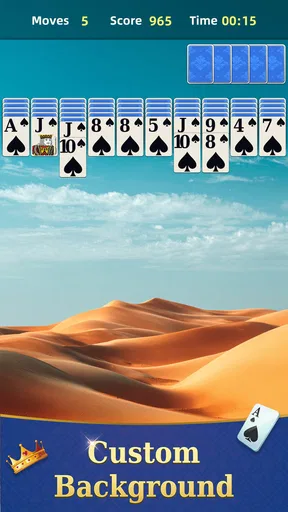
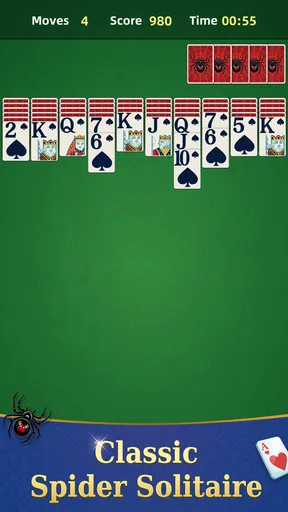
Our Review of Spider Solitaire - puzzle trip
 Analysis by Appyee
I spent time with Spider Solitaire - puzzle trip as a relaxed card game rather than treating it like a quick store download. That distinction matters because Spider solitaire is familiar, but the quality of the experience depends on how clearly the cards are presented, how comfortable the pacing feels, and whether the extra presentation adds something useful instead of getting in the way. My overall impression is of a free game aimed at people who want a recognizable solo puzzle with a lighter, more creative wrapper around it.
The game comes from Small ant limited and sits in the card category. It is available free of charge, with optional in-app purchases priced from $4.99 to $10.99 per item. That makes the first decision simple: you can try the core experience without paying, while any purchase should be judged as an optional convenience or enhancement rather than an entry requirement. The game is rated for Everyone, so it is positioned as a broadly accessible pastime rather than a title built around mature themes.
How the game feels in everyday use
I find the game easiest to judge by how it fits into ordinary pauses: a quick round can be a pleasant change from scrolling, while a longer session gives me room to think through the board. In the next section, I’ll look at how the cards and controls affect that experience for people with different visual, motor, and sensory needs.
A familiar puzzle with a travel-like presentation
The central appeal is easy to understand. Spider solitaire gives me a focused puzzle that I can play alone, without needing another person online or a long explanation before starting. Cards are arranged in columns, and the challenge comes from uncovering hidden cards, building sequences, and deciding when a move creates a useful opening rather than merely looking good in the moment.
That basic structure is exactly why this kind of game works during small gaps in the day. I can approach a round with a clear head, pause mentally when I need to think, and stop without feeling that I have abandoned a team or interrupted a competitive match. The “puzzle trip” idea gives the presentation a more playful identity than a bare digital deck, while the underlying appeal remains the calm, methodical decision-making of Spider solitaire.
I would not describe it as a dramatic adventure game disguised as cards. Its strength is quieter. The trip framing is most useful when it gives the game a sense of progress and makes repeated rounds feel less anonymous. If you are looking for a story, character development, or a complex world to explore, this is not the right expectation. If you want a traditional card puzzle with a little more personality than a plain utility-style implementation, the concept makes sense.
Why the free starting point matters
The free price is one of the strongest practical reasons to try it. I do not have to commit money before learning whether this particular presentation suits my habits. That is especially valuable with solitaire because personal preferences are surprisingly specific: some players want a completely stripped-back board, others enjoy visual progression, and some want the shortest possible route from opening the app to making the first move.
The optional purchase range means the game can also appeal to players who are comfortable spending on a favorite casual title. Still, I would separate “free access” from “paid value.” The free version is what determines whether the game earns a place on your phone. A purchase may be worthwhile for someone who already enjoys this version and wants whatever optional benefits those items provide, but I would not buy anything simply because the game is free to install. First play enough to decide whether the layout, rhythm, and presentation genuinely improve your solitaire routine.
That is the sensible way to evaluate the cost here: try it as a no-cost card puzzle, then consider optional spending only after the game has proved useful. The listed purchase prices are not a reason to assume that paying is necessary, and they are not proof that every item offers equal value. My recommendation is to treat purchases as a second-stage decision, not part of the basic requirement for enjoying the game.
Small decisions are where the value is
Spider solitaire is easy to start but not mindless when played carefully. A move can expose a hidden card, create an empty column, or temporarily block a sequence that would have been more useful later. I found that the best rounds reward planning several moves ahead without demanding the intensity of a timed competitive game.
One useful habit is to avoid automatically completing the first available sequence. Sometimes clearing a run feels satisfying but removes flexibility from the board. I prefer to look first at which move exposes the most information or opens the most space. That approach makes the puzzle feel less like moving cards until something works and more like managing limited options.
Another practical tip is to use short sessions for experimentation rather than trying to force every board into a win. If I have only a few minutes, I can test a risky arrangement and learn from the result. When I have more time, I can slow down and compare two possible column orders before committing. This makes the game useful in two different moods: a quick mental reset and a more deliberate puzzle session.
Where it fits better than common alternatives
Compared with a physical deck, the app removes setup, shuffling, and the need for a table. That makes it much easier to use while waiting or traveling. A physical deck still wins if you enjoy the tactile feel of cards or want a shared activity with another person, but it is less convenient for a solitary five-minute break.
Compared with a very basic solitaire app, this title is more appealing if the creative trip presentation helps you stay interested after the novelty of the rules wears off. A minimalist alternative may be better for someone who wants no visual framing, no extra sense of journey, and the fastest possible interface. I would choose this game over a plain implementation when I want the familiar puzzle to feel like a small recreational destination rather than a digital replacement for a deck.
Compared with competitive card games, it offers a calmer experience because the challenge is directed at the board rather than another player. There is no need to maintain a ranking mindset or match someone else’s pace. That is a genuine advantage for winding down, although it also means players who need social interaction or constant variety may find the experience too solitary.
Three ways to get more from each session
- Protect empty columns. An open column is not just empty space; it is a temporary storage area that can let you reorganize a difficult sequence. I try not to fill it immediately unless doing so exposes a worthwhile card or improves the overall order.
- Prioritize visibility over appearance. A move that reveals a hidden card can be more valuable than one that builds a longer visible run. When two moves seem similar, I usually choose the one that gives me more information about the board.
- Use a stopping point. If a round becomes a string of forced-looking moves, I pause instead of tapping randomly. Returning with a fresh view is often more useful than turning a thoughtful puzzle into hurried card movement.
These habits are not flashy features, but they change how the game feels. They make the board easier to read and help separate a deliberate decision from a move made only because it is available. For me, that is where the app’s lasting value comes from: not from pretending solitaire is something completely different, but from giving the familiar rules enough structure to support repeat play.
The tradeoffs I noticed
The biggest limitation is inherent to the format. Even with a creative presentation, Spider solitaire remains a repeating solo puzzle. Players who quickly tire of arranging cards will not be rescued by the theme alone. The game can make the routine more inviting, but it cannot change the fact that the main activity is still careful sequencing on a board.
There is also a personal tradeoff between atmosphere and efficiency. I like a little visual identity when I am playing casually, but if my only goal is to finish a quick round, any extra layer around the card table may feel unnecessary. This is why I would not automatically call it the best solitaire choice for everyone. Some users will prefer a plain, highly focused alternative that gets out of the way.
The purchase structure deserves the same balanced view. Free access lowers the risk of trying the game, but optional items priced between $4.99 and $10.99 make it worth thinking before spending. I would want a clear personal reason for buying, such as long-term use or a specific convenience, rather than assuming that a higher-priced item automatically improves the puzzle itself. The free experience should be the test; payment should follow only if the game has already become part of your routine.
The age rating of Everyone is another positive for households looking for a straightforward card pastime. It does not mean every person will enjoy the game, of course. A child may understand the rules but lack patience for the slower planning, while an adult who enjoys traditional solitaire may appreciate the same calm pace. The rating describes accessibility, not guaranteed appeal.
Who will get the most value
I think this game is a good fit for someone who already likes solitaire but wants a presentation with more character than a generic card table. It also suits people who need a quiet, self-contained activity for commutes, waiting rooms, breaks, or evenings when they do not want a demanding game. Because it is free to start, it is easy to test without turning the decision into a purchase debate.
It may also work well for players who enjoy improving their decision-making in small increments. The game does not require a long learning curve, but it rewards noticing patterns: which columns are becoming blocked, when an empty space is worth preserving, and when a tempting sequence should wait. Those details give experienced players something to refine without making newcomers feel excluded.
I would suggest skipping it if your priority is multiplayer competition, a rich narrative, or rapid action. It is also not my first recommendation for someone who wants the absolute simplest possible solitaire interface. In that case, a more minimal alternative may feel cleaner. Likewise, if you expect every session to introduce a radically different type of challenge, the familiar structure may eventually feel limited.
Device and version context
The game was released on June 19, 2025, and the current version is 2.19.1. It supports devices running Android 7.0 or later, which gives it a practical reach across many Android phones and tablets. I would still check that your device meets that operating-system requirement before planning to use it on an older phone.
Its audience size also suggests that it is not an obscure experiment: the game has passed 100K installs and holds a 4.6 average from roughly 6.4K ratings. I read those figures as evidence of meaningful interest, not as a guarantee that the design will match my preferences. The review volume is around a hundred, so I would pay more attention to my own trial than to popularity alone.
For everyday use, the most important practical question is not whether it has a large audience but whether it fits your available attention. A card game can be installed on almost any suitable device and still be a poor choice if you dislike repeated puzzles. Conversely, for someone who likes short, quiet challenges, the combination of free entry, an Everyone rating, and a familiar ruleset makes the trial unusually easy to justify.
My buy-or-skip verdict
I would recommend trying Spider Solitaire - puzzle trip if you want a free solo card game that keeps the classic Spider structure while adding a more creative sense of presentation. I especially see its value for casual players who want something they can open during a short break, think through at their own pace, and leave without social pressure.
I would not recommend paying immediately. The strongest value proposition is the free starting experience, and that is enough to discover whether the game’s style works for you. After several sessions, a purchase may make sense for a regular player who understands what the optional item adds and feels the game has earned that spending. For an occasional player, keeping it free is the more sensible choice.
My final view is positive but specific: this is not a replacement for every kind of card game, and its creative framing will not overcome a dislike of solitaire. For the right player, though, it turns a familiar puzzle into a more inviting daily habit. If you want calm, repeatable card play with no upfront cost, it is worth a try; if you need competition, story, or constant novelty, skip it and choose a different kind of game.
Verdict
Strengths of Spider Solitaire - puzzle trip
- Simple rules make it easy for beginners to start playing.
- Multiple difficulty levels provide a challenge for experienced players.
- Short rounds are convenient for quick breaks or casual sessions.
- Smooth card controls make dragging and placing cards feel intuitive.
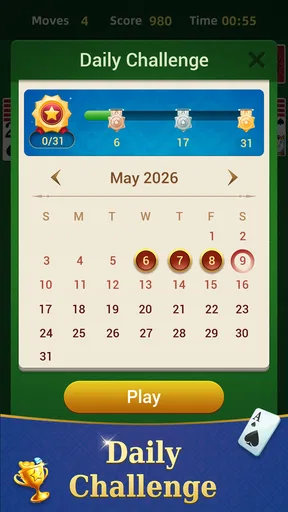
- Progression and themed locations add variety beyond standard solitaire.
Limitations of Spider Solitaire - puzzle trip
- Some deals may feel repetitive after extended play sessions.
- Higher difficulty levels can depend heavily on favorable card layouts.
- Extra hints or bonuses may be limited without watching advertisements.
- Small cards can be harder to read on compact phone screens.
- The game may use noticeable battery during longer sessions.
Other Releases by Small ant limited
View All
Royal Solitaire
Card4.6
Similar Picks in This Category
View All
Solitaire - Classic Card Games
MobilityWare4.6

UNO!™
Mattel163 Limited4.3

Spider Solitaire: Card Games
MobilityWare4.6

Solitaire.com - Classic Cards
Tripledot Studios Limited4.7

Plants vs. Zombies™ Heroes
ELECTRONIC ARTS4.1

Hearthstone
Blizzard Entertainment, Inc.4.1
Frequently Asked Questions
What is Spider Solitaire - Puzzle Trip?
Spider Solitaire - Puzzle Trip is a mobile card game that combines the classic Spider Solitaire rules with a journey-style progression system. You arrange cards in descending order and build complete suits to clear the tableau. The game typically adds themed levels, changing backgrounds, rewards, and challenges, making it more suitable for casual players who want a relaxing solitaire experience with a sense of advancement.
How do you play Spider Solitaire - Puzzle Trip?
The objective is to organize cards in descending order, from King down to Ace, within the tableau. A complete sequence of the same suit is removed from the board. Depending on the selected difficulty, the game may use one, two, or four suits. You can move individual cards or compatible sequences, draw additional cards when necessary, and use hints when you are unsure of the next move.
Is Spider Solitaire - Puzzle Trip free to download and play?
The game can generally be downloaded and played without an upfront purchase, although the exact availability may depend on the Android or iOS version and your region. Free gameplay may include advertising, optional boosters, extra hints, or in-app purchases. Before downloading, it is worth checking the store listing for current pricing, subscription details, and whether purchases are required for particular features.
Does Spider Solitaire - Puzzle Trip require an internet connection?
Many solitaire levels can usually be played offline once the game has been installed, which makes it convenient for travel or situations without reliable mobile data. However, an internet connection may be needed for advertisements, daily rewards, cloud synchronization, updates, events, or restoring purchases. Offline availability can vary by version, so players should test the game after installation if uninterrupted access is important.
Is Spider Solitaire - Puzzle Trip suitable for beginners?
Yes, the game is generally approachable for beginners because the basic rules are easy to learn and the early levels often introduce the mechanics gradually. Helpful features such as hints, undo options, and simpler one-suit layouts can make the first games less intimidating. Players should remember that higher difficulties become considerably more strategic, especially when several suits and limited moves are involved.
Play our best games!


